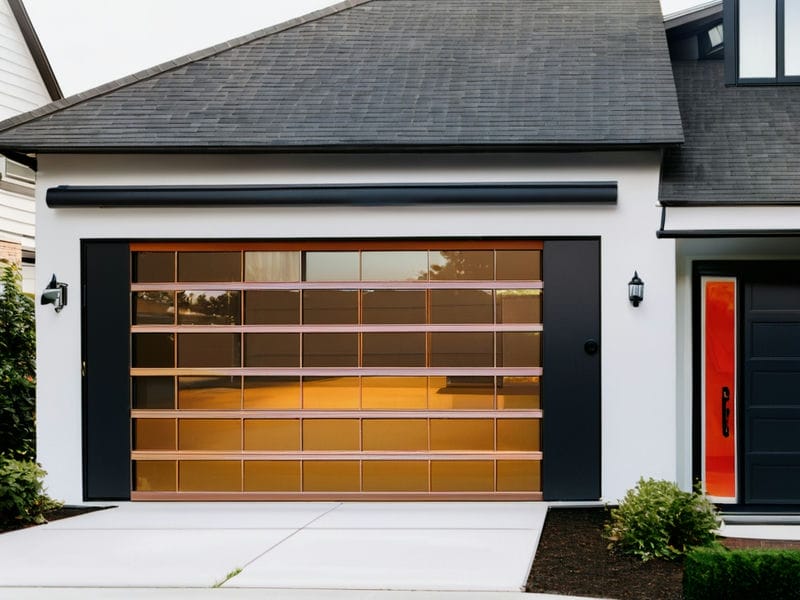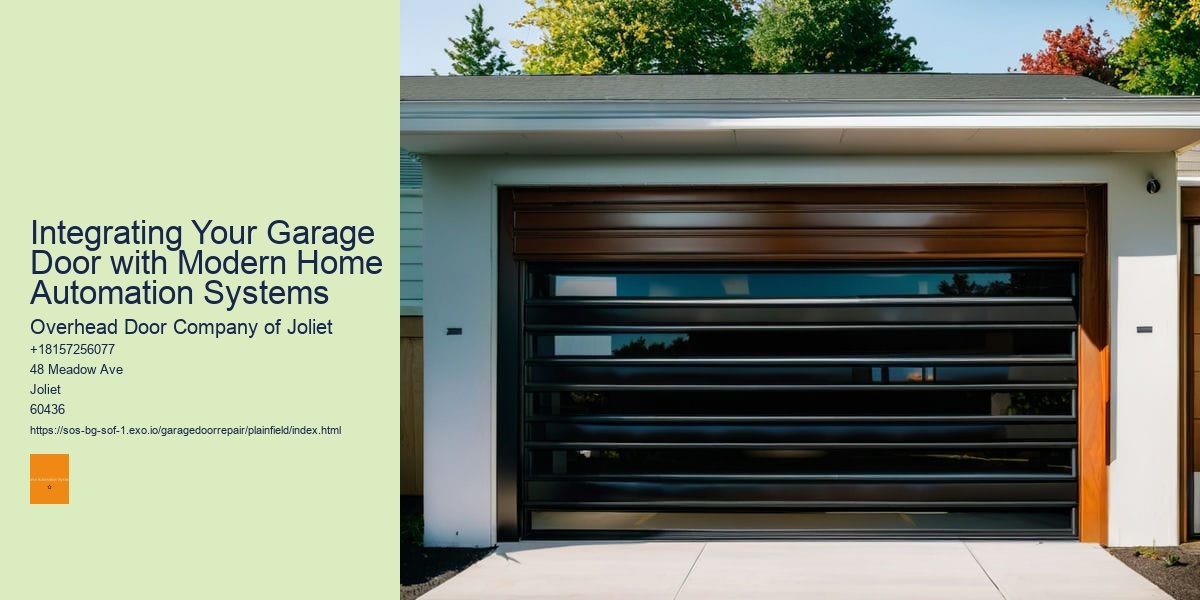
Integrating your garage door with modern home automation systems offers a level of convenience, security, and efficiency that traditional garage doors can't match. As the concept of smart homes becomes more mainstream, homeowners are looking for ways to streamline their daily routines and bolster their home's security. By incorporating your garage door into your home automation system, you are stepping into a world of seamless interaction with one of the most commonly used entry points to your abode.
**Convenience at Your Fingertips**
The standout benefit of integrating your garage door with home automation is unparalleled convenience. With this setup, you can control your garage door remotely through a smartphone app or via voice commands if you have a compatible smart speaker at home. Imagine never having to wonder if you left the garage door open simply check on your phone and close it if necessary, even when you're miles away. You could also set schedules for the door to open and close at specific times, which is particularly handy for regular departures and arrivals.
**Enhanced Security**
A smart garage door increases the security of your home significantly. Integration allows for real-time alerts whenever the door is operated, so youre immediately informed if theres any activity you didnt authorize. Securing the garage door is essential to safeguard your home from intruders The Future of Home Living with Automated Garage Doors automobile repair shop. Upgrading your garage door can enhance your home's curb appeal emergency garage door repair 24/7 service. Many systems allow for temporary access codes that can be given to visitors or delivery personnel; these can be disabled after use to ensure no one has access beyond what's necessary. Additionally, some automated systems have built-in cameras or compatibility with external cameras so that you can visually verify who is accessing your garage.
**Energy Efficiency and Savings**
Modern smart garage doors often come with features that promote energy savings. They may include insulation improvements that keep garages warmer in winter and cooler in summer, which in turn reduces the energy required for heating or cooling connected spaces in the house. Moreover, since these doors can be programmed to close automatically after a set period, they prevent heat loss or gain from an accidentally left-open door.
**Safety Enhancements**
Preparing Your Garage Door for Integration: A Step Towards a Smarter Home
The advent of modern home automation systems has revolutionized the way we interact with our living spaces, offering unprecedented levels of convenience, security, and efficiency. One aspect of home automation that can provide substantial benefits is the integration of your garage door into your smart home ecosystem. Preparing your garage door for integration is not just a step towards embracing cutting-edge technology; it's an investment in the comfort and functionality of your household.
Before diving into the integration process, it's essential to understand what it entails. Integrating your garage door means making it controllable and monitorable through a central home automation system or via mobile devices. This seamless connection allows you to open or close your garage door remotely, receive alerts when it's being accessed, and even set schedules for automatic operation.
To get started, assess whether your current garage door opener is compatible with smart home technology. Many new models come with built-in Wi-Fi connectivity and are designed to work with popular platforms like Google Assistant, Amazon Alexa, or Apple HomeKit. If your existing opener lacks these features, you may need to invest in a retrofit device—a smart garage door controller—that bridges the gap between old and new technologies.
Once compatibility is confirmed or established with a retrofit device, ensure that you have a reliable Wi-Fi signal in your garage area. Smart devices require consistent internet access to function correctly; therefore, extending the range of your wireless network might be necessary through the use of Wi-Fi extenders or mesh network systems.
Security should also be at the forefront during preparation. As convenient as remote access can be, it also opens up additional potential vulnerabilities. Make sure that any platform or device you choose uses robust encryption methods to protect against unauthorized access to your garage—and by extension—your home.
With compatibility and security measures addressed, familiarize yourself with the features offered by various smart controllers. Look for functionalities such as voice command capabilities, geofencing (which automatically opens or closes the door based on your smartphone's location), activity logs, and interoperability with other smart devices like cameras or lights for enhanced safety and visibility.
Finally yet importantly is ensuring that all mechanical aspects of the garage door are in good working order before integrating them into an automated system. Regular maintenance checks on springs, cables, rollers, and tracks will help prevent unexpected malfunctions after installation.
In conclusion, preparing your garage door for integration into modern home automation systems involves considering compatibility requirements, enhancing Wi-Fi connectivity within range zones around your garage area,s fortifying cybersecurity defenses against intrusion risks presented by remote accessibility options available today coupled alongside performing routine upkeep procedures aimed at maintaining optimal operational conditions over time—laying down essential groundwork needed before taking full advantage this innovative opportunity provided through technological advancements within residential housing sector currently seeing widespread adoption rates across global markets now more than ever before seen historically speaking overall summary wise thusly stated herewithin contained hereunto expressed hereinabove mentioned textually explicitly outright forthrightly clearly unequivocally without ambiguity necessarily included therein throughout thoroughly comprehensively extensively complete entirely fully altogether wholly totally absolutely categorically unreservedly undeniably unmistakably patently manifestly obviously plainly visibly evidently apparently recognizably distinguishably identifiably notably discernibly perceivably observable detectable measurably quantifiably verifiably demonstrably provable confirmable ascertainable certifiable testable checkable examinable searchable researchable study-able learn-able teach-able explain-able describe-able translate-able
| Sun | Mon | Tue | Wed | Thu | Fri |
|
|
|
|
|
|
|
| +14° | +17° | +20° | +14° | +22° | +23° |
| +4° | +5° | +9° | +13° | +10° | +8° |
The integration of new auto-reverse features in smart garage doors marks a significant advancement in the realm of residential safety and consumer protection.. As manufacturers continue to adopt these innovative safety mechanisms, it is important to consider the legal and regulatory implications that come with such technological enhancements.
One primary concern for manufacturers is compliance with existing safety standards.
Posted by on 2024-05-13
The concept of a "smart home" has evolved from a futuristic vision to a common reality for many homeowners.. As we look toward future trends, particularly within the domain of artificial intelligence (AI) and machine learning, it's clear that smart garage doors are poised to play an increasingly pivotal role in the evolution of home entry systems.
Smart garage doors have already made significant strides in providing convenience, security, and energy efficiency.
Posted by on 2024-05-13
Choosing the Right Smart Garage Door Opener: Integrating Your Garage Door with Modern Home Automation Systems
In an era where convenience and security are paramount, integrating your garage door with modern home automation systems has become a significant consideration for homeowners. The smart garage door opener is no longer a luxury but a vital component of a connected home ecosystem. As we navigate the myriad options available, several key factors must be assessed to ensure that our choice not only enhances our lifestyle but also aligns with the technological harmony of our homes.
Firstly, compatibility is crucial when selecting a smart garage door opener. It's essential to choose a device that seamlessly integrates with existing home automation platforms such as Apple HomeKit, Google Assistant, Amazon Alexa or Samsung SmartThings. This ensures you can control your garage door using voice commands or through a single app alongside other smart devices in your home.
Secondly, consider the connectivity protocol used by the smart garage door opener—Wi-Fi, Bluetooth, Z-Wave or Zigbee. Wi-Fi enabled openers offer the convenience of remote access, allowing you to operate your garage door from anywhere in the world via your smartphone. However, if your Wi-Fi signal is weak in the area where you intend to install it, alternatives like Z-Wave or Zigbee might provide more reliable connections as they form mesh networks that strengthen as more devices are added.
Thirdly, think about security features offered by different models. Look for openers with encryption technology that prevents hackers from accessing your system. Some advanced units come with built-in cameras and two-way audio communication for added surveillance and interaction capabilities—allowing you to monitor and even speak to someone who is at your garage door remotely.

As we embrace the convenience of modern home automation systems, integrating our garage doors into this technology has become increasingly popular. The ability to open or close your garage door with a simple voice command or a tap on your smartphone offers an unmatched level of convenience and efficiency. However, as we automate this crucial aspect of our homes, it's essential to consider both safety and security measures to ensure that convenience does not come at the cost of our peace of mind.
Safety considerations are paramount when automating a garage door because it is often one of the heaviest moving objects in a home. Firstly, it's important to ensure that the automated system includes sensors that can detect if an object or person is obstructing the door's path. These sensors should be regularly tested to confirm they are functioning correctly and can prevent potential injuries by stopping or reversing the door if an obstruction is detected.
Moreover, emergency release mechanisms should remain accessible even when integrating new technologies. This feature allows for manual operation of the garage door in case of power outages or system failures, ensuring occupants can safely exit through the garage during emergencies.
Security concerns also accompany the convenience offered by connected devices. As with any internet-enabled device, smart garage doors can be susceptible to hacking, which could grant unauthorized access to your home. To mitigate this risk, strong encryption methods for wireless communication between your smart devices and robust password practices are essential.
It’s advisable to choose reliable brands that prioritize security updates and offer two-factor authentication for mobile apps controlling the garage door. Also, regular maintenance checks on your automated system will help you stay ahead of vulnerabilities that might arise due to wear and tear or outdated software.
Furthermore, consider configuring alerts so you receive notifications whenever your garage door opens or closes. This real-time monitoring adds another layer of security by keeping you informed about who accesses your home and when.
In conclusion, while automating your garage door provides significant benefits such as convenience and efficiency gains within modern home automation systems, it also necessitates careful consideration towards maintaining safety standards and enhancing security protocols. By addressing these considerations proactively – through safe design features like obstruction sensors; secure communication channels; diligent password hygiene; regular maintenance checks; system updates; and alert configurations – homeowners can enjoy both innovation and peace of mind as they bring their garages into the 21st century.
Integrating your garage door with a modern home automation system is an excellent way to bring convenience and enhanced security to your daily routine. However, as with any technological integration, you may encounter some common issues that need troubleshooting. In this essay, we will explore these potential pitfalls and provide guidance on how to resolve them.
Firstly, one of the most frequent problems after integrating your garage door into a home automation system is connectivity issues. These can manifest as intermittent operation or complete failure to respond to commands from your smart device. To troubleshoot connectivity problems, start by checking the Wi-Fi signal strength in the location of your garage door opener. If the signal is weak, consider moving your router closer or installing a Wi-Fi extender. Additionally, ensure that there are no IP conflicts on your network and that firmware for all devices involved is up-to-date.
Secondly, compatibility issues might arise if the garage door opener is not fully compatible with other components in your home automation ecosystem. Before purchasing a new device or attempting integration, verify that all components support the same communication protocols (such as Z-Wave or Zigbee) or platforms (like Apple HomeKit or Google Assistant). If you discover an incompatibility after installation, you may need to use additional bridges or hubs designed to link disparate systems together.
Another problem could be related to power supply inconsistencies. Modern garage doors often rely on sensors and transmitters which require stable electrical input. Fluctuations in power supply can cause erratic behavior such as unexplained opening and closing of the garage door. Ensuring that wiring is correctly installed and grounded can prevent such issues; however, if problems persist, it might be worthwhile consulting with an electrician.
Configuration errors also account for many operational hiccups post-integration. For instance, incorrect settings within the app used for controlling the automation system could lead to unresponsive behavior from your garage door opener. Double-checking all settings against manufacturer instructions can help rectify these configuration oversights.
User error should not be overlooked when troubleshooting too. It's possible for users new to home automation systems to have misconceptions about how their integrated devices work together—leading them inadvertently into creating scenarios where devices conflict rather than cooperate. Taking time to familiarize oneself thoroughly with user manuals and even seeking out tutorials can mitigate such errors.
Lastly, remember that security must always be paramount when dealing with home access points like a garage door opener within an automated system. Ensure that strong passwords are set for all network connections and regularly update them along with hardware firmware updates pushed by manufacturers aimed at patching newly discovered vulnerabilities.
In conclusion, while integrating a garage door into a modern home automation system opens up numerous conveniences through advanced technology usage; recognizing common issues such as connectivity woes, compatibility mismatches, power supply irregularities, configuration mistakes and user misunderstandings plays a crucial role in maintaining smooth operations post-integration process completion. By methodically addressing each concern—and ensuring solid security practices—homeowners can enjoy both peace of mind and seamless functionality from their high-tech investment.
As we ride the wave of technological advancements, home automation has swiftly transcended from a luxury to a ubiquitous feature in many modern households. Among the myriad elements that constitute a smart home ecosystem, garage doors have emerged as pivotal points for integration, offering convenience, security, and energy efficiency. Looking ahead, the future trends in home automation and smart garage technology are poised to redefine our interaction with this essential part of our homes.
The first trend we can anticipate is the further refinement of voice-controlled operations. Voice assistants like Amazon Alexa, Google Assistant, and Apple's Siri have already begun to allow homeowners to control their garage doors using simple voice commands. In the future, these interactions will become more intuitive and personalized thanks to advancements in AI and machine learning algorithms that learn from user habits and preferences.
Another significant trend is the advancement of geofencing capabilities. As GPS technology continues to improve its precision, smart garage systems will be able to detect your vehicle's proximity more accurately than ever before. This means your garage door could automatically open as you approach your driveway without any manual input required—while ensuring it remains closed and secure when you're away.
Furthermore, interconnectivity through IoT (Internet of Things) devices will see an uptick in adoption rates. Your smart garage door will not operate in isolation; instead, it will communicate with other smart devices within your home network such as lights or security cameras. For instance, opening your garage door at night might trigger outdoor lighting or alert you if an unrecognized vehicle enters your driveway.
Security features are also set to improve significantly with biometric authentication methods like fingerprint scanners or facial recognition becoming more commonplace in granting access to one's garage space. These advanced security measures offer peace of mind by ensuring only authorized individuals can enter your home via the garage.
Energy efficiency is another domain where smart garages will shine brightly in future renditions. Intelligent sensors could monitor ambient conditions outside and inside the garage adjusting insulation dynamically—perhaps through 'smart glass' or thermally adaptive materials—to maintain temperature without excessive energy consumption.
Moreover, as electric vehicles (EVs) become more prevalent so too does the need for smarter EV charging stations integrated into our garages. Smart charging systems that optimize power usage based on peak demand times could be seamlessly incorporated into home automation setups for improved energy management.
Lastly, predictive maintenance powered by AI is expected to play a vital role in minimizing downtimes due to mechanical failures. By analyzing usage patterns and diagnostic data from sensors embedded within garage door mechanisms themselves—homeowners could be alerted about potential issues before they escalate into serious problems requiring costly repairs.
In conclusion, integrating your garage door with modern home automation systems opens up a realm of possibilities aimed at enhancing convenience while bolstering security and promoting sustainability within our homes' ecosystems. As we look towards these future trends—voice control sophistication increased connectivity enhanced security options energy-efficient practices EV integration predictive maintenance—we see a horizon where our garages are no longer just storage spaces but intelligent hubs working harmoniously within our increasingly automated lifestyles.